 Nourivo
Everyday Meal Routines and Patterns
An educational exploration of common meal structures in daily life.
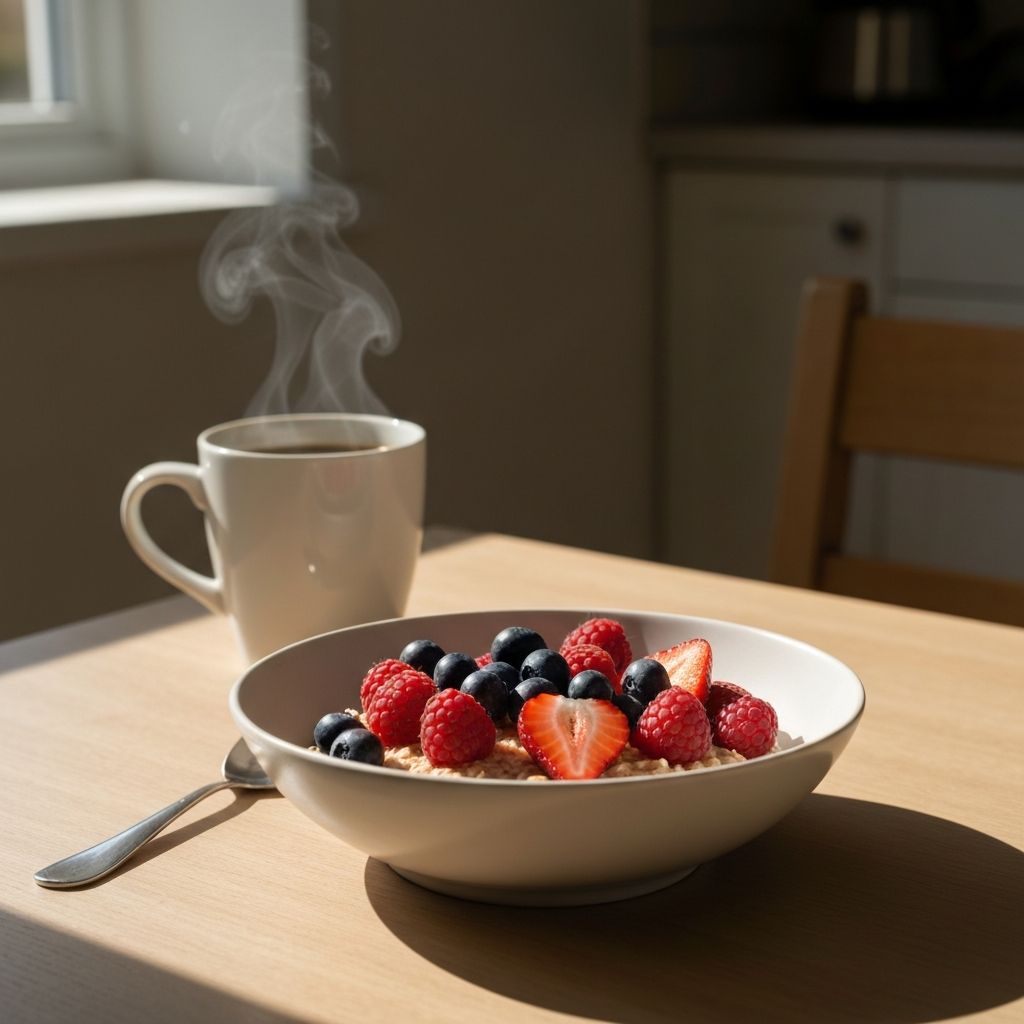
Meal routines represent structured patterns of eating that vary widely across individuals, families, and cultural groups within the United Kingdom. These patterns are shaped by multiple factors including work schedules, cultural traditions, household composition, and personal preferences.
Traditional Meal Structures
The conventional three-meal pattern of breakfast, lunch, and dinner remains common in UK culture, though its implementation varies significantly. Breakfast timing ranges from early morning for those with standard work hours to late morning for others with different schedules.
Lunch practices differ between workplace contexts. Some individuals have designated lunch breaks with access to canteen facilities, while others may eat at their desks or have more flexible arrangements. The duration and formality of lunch breaks influence what and how people eat during this time.
Dinner, often called tea in some UK regions, typically occurs in the evening and frequently represents the main meal of the day for many households. However, this pattern is not universal, with some families or individuals organizing meals differently based on their circumstances.
Variations in Meal Timing
Meal timing demonstrates considerable variation across different segments of the population. Shift workers, parents with young children, students, and retirees often develop meal patterns that differ from conventional office hours structures.
Weekend meal patterns frequently diverge from weekday routines. Many people report later meal times, combined breakfast and lunch occasions, or extended meal preparation and consumption periods when not constrained by work schedules.
Seasonal variations also affect meal timing and structure. Longer summer daylight hours and shorter winter days influence when people feel hungry and when they choose to eat, though modern lighting and climate control have reduced these effects compared to historical patterns.
Snacking and Between-Meal Eating
Between-meal eating represents a significant aspect of contemporary eating patterns in the UK. The availability of portable food options and changing work environments have made snacking more common than in previous generations.
Snacking practices vary based on individual circumstances and preferences. Some people incorporate planned snacks into their daily routine, while others eat between meals opportunistically or in response to hunger cues.
The types of foods consumed as snacks range widely, from fruits and vegetables to baked goods, nuts, and processed snack foods. These choices reflect personal preferences, availability, and convenience considerations.
Family Meal Patterns
Family eating patterns in the UK demonstrate diversity based on household composition, work schedules, and cultural backgrounds. Some families prioritize shared meals, viewing them as important opportunities for communication and bonding.
Other households operate with more individualized eating patterns, with family members eating at different times due to varying schedules. This approach reflects the practical realities of modern family life with multiple commitments and responsibilities.
The concept of family meals has evolved over recent decades. While traditional sit-down dinners remain valued in many households, other arrangements including casual eating, prepared meal components, and staggered eating times have become more common.
Workplace Eating Contexts
The workplace significantly influences daily meal patterns for employed individuals. Some workplaces provide canteen facilities, kitchen access, or designated eating areas, while others offer limited facilities for food consumption.
Lunch break policies and workplace cultures affect how employees approach midday eating. Some organizations encourage designated break times away from workstations, while others have more flexible or informal approaches.
The rise of remote and hybrid work arrangements has altered meal patterns for many people. Working from home provides different opportunities and constraints for meal preparation and timing compared to office-based work.
Cultural Influences on Meal Patterns
The UK's multicultural society encompasses diverse meal traditions and patterns. Different cultural backgrounds bring varied approaches to meal timing, composition, and social significance.
Some cultural traditions emphasize particular meals or include additional eating occasions beyond the three-meal pattern. Others have different concepts of meal structure or different foods associated with particular times of day.
Intergenerational transmission of meal patterns occurs within families, though younger generations often adapt traditional patterns to contemporary circumstances and preferences.
Contextual Understanding
Understanding meal routines and patterns as variable and context-dependent helps recognize the diversity of eating approaches across the population. There is no single correct meal pattern, but rather a range of arrangements that people develop based on their circumstances.
Meal patterns evolve over individual lifespans as circumstances change. Student eating patterns often differ from those of working adults, which may differ again from retirement-age patterns.
This article describes common patterns and variations without prescribing particular approaches. Individual circumstances, preferences, and contexts shape appropriate meal structures for different people and situations.
Educational Context
This article provides descriptive information about meal patterns observed in UK contexts. It does not constitute advice about individual meal timing or structure. Personal meal patterns should reflect individual circumstances, preferences, and any relevant health considerations under guidance from appropriate professionals when needed.