 Nourivo
Food Environments and Accessibility
Examining factors that shape food availability in UK communities.
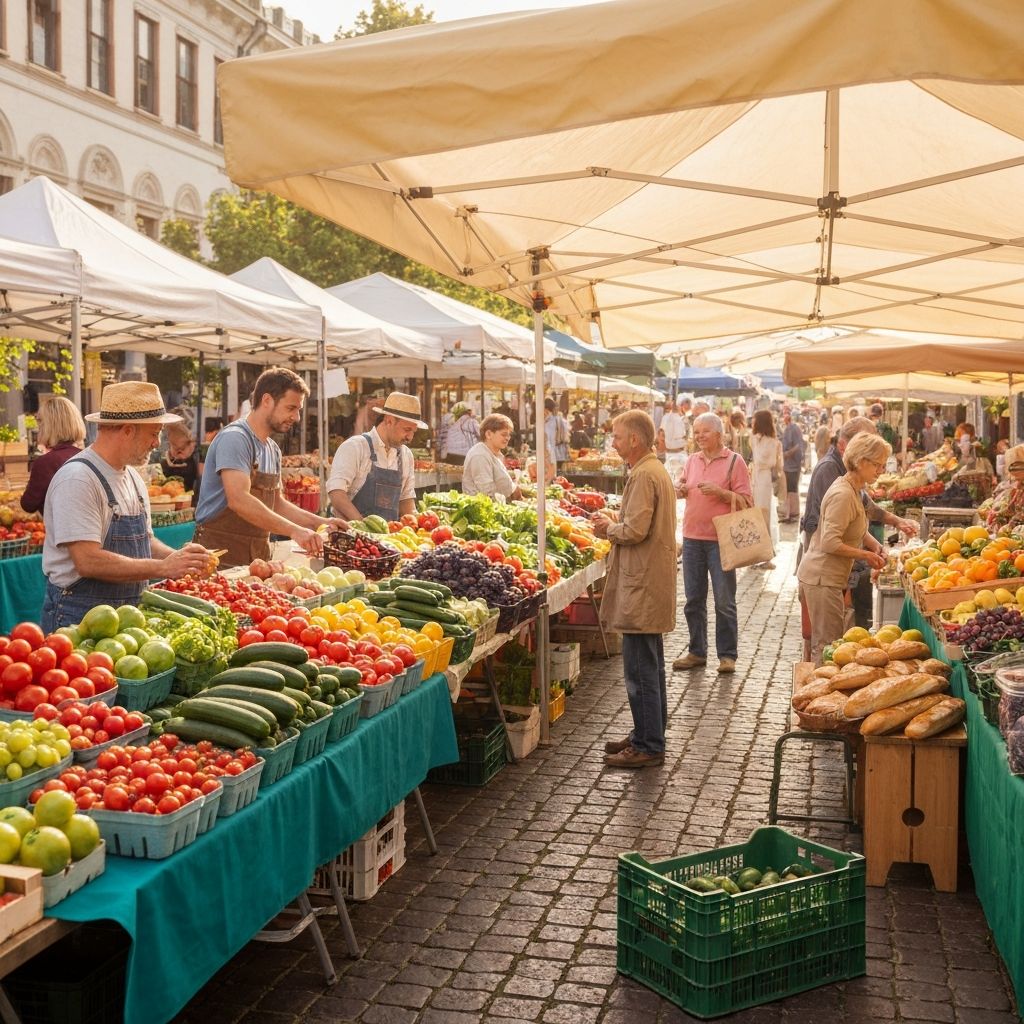
The food environment encompasses all aspects of how food becomes available to individuals and communities. In the United Kingdom, various physical, economic, and infrastructural factors shape what foods people can access and how they obtain them.
Urban Food Environments
Urban areas in the UK typically feature diverse food retail options including supermarkets, convenience stores, specialty shops, markets, and restaurants. The density and variety of food outlets in cities provide urban residents with multiple food sourcing options.
Different urban neighborhoods vary in their food retail profiles. Some areas have concentrated shopping districts with many options, while others have more dispersed or limited retail availability. These variations reflect historical development patterns, population density, and commercial factors.
Urban food accessibility also relates to transportation systems. Public transport connections, walking distances, and cycling infrastructure affect how easily residents can access different food shopping locations.
Rural Food Environments
Rural areas present different food environment characteristics compared to urban settings. Lower population density typically means fewer nearby food retail options and greater distances between shopping locations.
Many rural residents rely on personal transportation to access larger supermarkets or diverse food shopping options. Village shops and local stores serve important functions in rural food environments, though their range of available products may differ from larger retail outlets.
Some rural areas have direct access to local food production through farm shops, farmers markets, or agricultural connections. These sources represent distinctive aspects of rural food environments not always available in urban settings.
Food Retail Structures
The UK food retail sector includes various types of outlets serving different functions. Large supermarkets offer extensive product ranges and often provide one-stop shopping for weekly household food supplies.
Convenience stores, corner shops, and petrol station shops serve needs for quick purchases or items needed between main shopping trips. Their product selection typically emphasizes convenient packaging and commonly needed items rather than comprehensive ranges.
Specialty shops including butchers, bakers, greengrocers, and ethnic food stores provide focused product ranges. These outlets contribute to food environment diversity, particularly in areas with varied cultural communities.
Economic Accessibility
Economic factors significantly influence food accessibility. Food prices vary between different types of retail outlets, between store brands and premium products, and across geographic locations.
Household budgets constrain food purchasing decisions for many people. The relationship between food costs and household income shapes what foods families and individuals can regularly purchase.
Price differences between food categories affect purchasing patterns. Fresh produce, meat, and prepared foods have different price structures than shelf-stable staples, influencing how limited budgets get allocated across food types.
Transportation and Physical Access
Physical access to food retail locations depends on transportation availability. Private vehicle ownership provides flexibility in shopping location choice and ability to transport larger purchases.
For those without private vehicles, public transportation connections, walking distances, and cycling routes determine accessible food shopping locations. Carrying heavy shopping on public transport or on foot presents practical challenges that influence shopping frequency and purchasing patterns.
Online food shopping and delivery services have altered food accessibility for those with internet access and delivery service availability. This option particularly benefits people with mobility limitations or those living far from physical retail locations.
Market and Alternative Food Sources
Farmers markets, street markets, and food halls provide alternative food sourcing options in many UK locations. These venues offer direct producer access and can provide seasonal local products.
Community food initiatives including food cooperatives, community gardens, and food sharing programs represent other elements of food environments in some areas. These initiatives operate on various models and serve different community functions.
The presence and accessibility of such alternative sources varies widely across UK regions and communities. Their role in individual food access depends on geographic location, personal interest, and practical feasibility.
Workplace and Institutional Food Environments
Workplaces constitute significant food environments for employed individuals. Workplace canteens, vending machines, nearby shops and restaurants comprise the food environment during working hours.
Schools, universities, hospitals, and care facilities create institutional food environments that shape eating options for students, patients, residents, and staff. These institutions vary in the food provision arrangements they offer.
The quality and variety of workplace and institutional food options influence daily eating patterns for people who spend substantial time in these environments.
Seasonal and Temporal Factors
Food availability varies seasonally, though modern supply chains have reduced seasonal limitations compared to historical patterns. Local seasonal produce appears in different quantities and varieties across the year.
Retail opening hours affect when people can access food shopping. Extended hours in many supermarkets provide flexibility, while other shops have more limited operating times that constrain when shopping can occur.
Temporal factors interact with work schedules and personal routines to determine practical shopping opportunities. Evening and weekend shopping accommodates weekday work schedules for many people.
Food Environment Inequalities
Food environment characteristics vary across UK regions and between different neighborhoods within the same area. These variations mean different communities experience different levels of food access and different available food options.
Areas with limited food retail options, particularly for fresh produce and diverse products, present challenges for residents. The distribution of food retail facilities across communities reflects complex economic and historical factors.
Understanding food environment inequalities provides context for recognizing that individual food choices occur within structural constraints that vary across populations.
Information Environment
Beyond physical food availability, information about food comprises another environmental factor. Food labels, advertising, nutritional information, and cultural knowledge all contribute to how people understand their food options.
Information accessibility varies based on language, literacy, cultural background, and prior knowledge. The ability to interpret food information affects how people navigate food choices within their available options.
Educational initiatives aim to improve food literacy, though access to such education also varies across communities and populations.
Environmental Context for Individual Choices
Understanding food environments helps contextualize individual food choices within broader structural factors. Personal food decisions occur within the possibilities and constraints of accessible food environments.
Food environment awareness does not prescribe individual actions but rather provides context for understanding the complex factors that shape what foods people eat. Environmental factors represent one element among many that influence eating patterns.
Educational Context
This article provides descriptive information about food environments and accessibility factors in UK contexts. It does not constitute advice about individual food sourcing or purchasing. Personal food access circumstances vary significantly based on location, resources, and individual situations.